
Block-Based Themes: The Future of WordPress Website Building
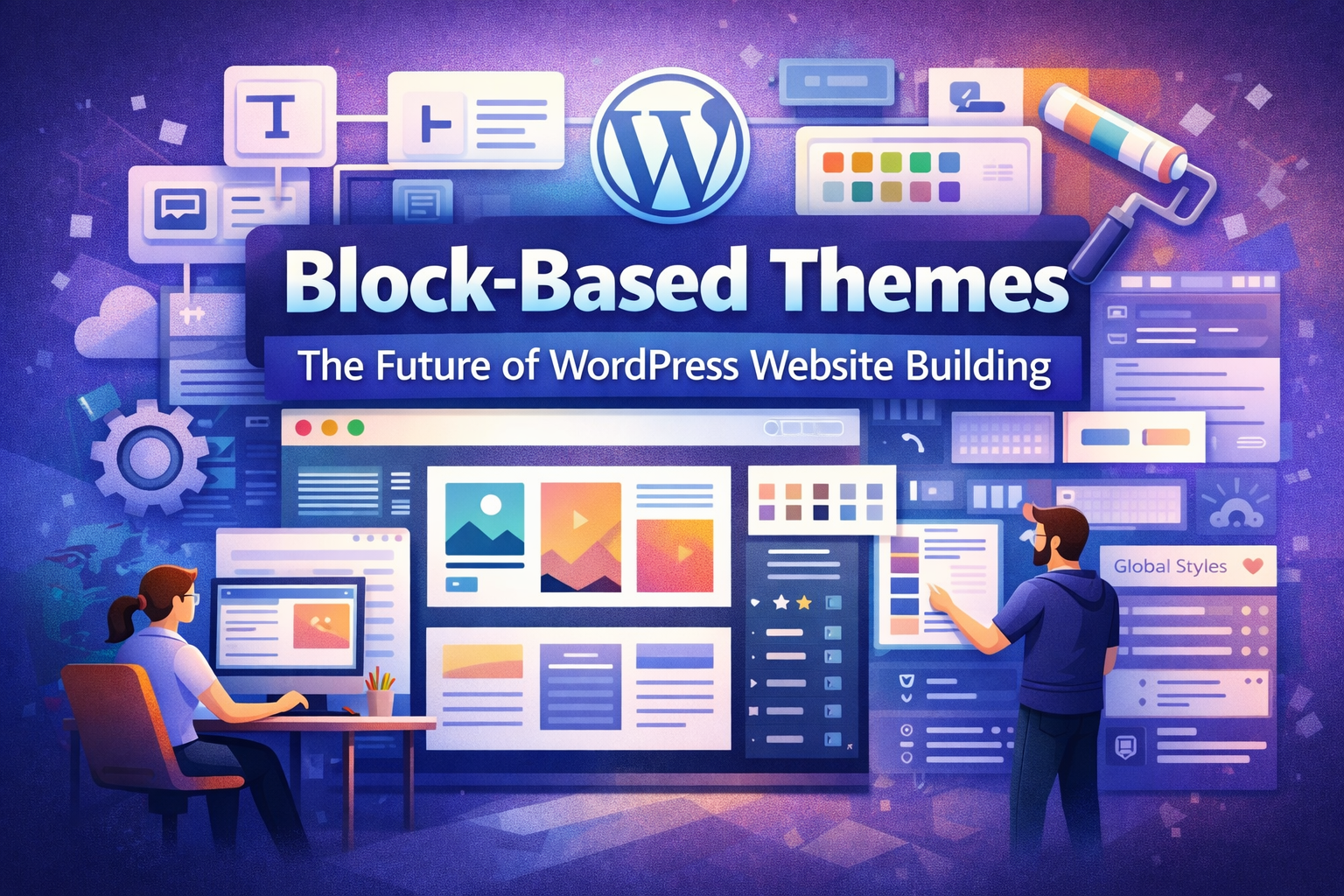
The WordPress ecosystem has undergone a major transformation in recent years, and at the heart of this evolution are block-based themes. With the introduction of the block editor (commonly known as Gutenberg) and Full Site Editing (FSE), WordPress has moved from traditional theme structures to a more flexible, visual, and modular approach to website design.
Block-based themes are redefining how websites are built, customized, and maintained in WordPress. In this blog, we’ll explore what block-based themes are, how they work, their benefits, challenges, and why they represent the future of WordPress development.
What Are Block-Based Themes?
Block-based themes are modern WordPress themes designed specifically to work with the block editor and Full Site Editing features. Unlike classic themes that rely heavily on PHP templates and the Customizer, block-based themes allow you to design and manage every part of your website using blocks.
This includes:
- Headers and footers
- Page layouts
- Sidebars
- Templates
- Global styles
Everything is editable visually inside the Site Editor, without writing code.
Evolution: From Classic Themes to Block-Based Themes
Traditional WordPress themes are built using PHP template files like header.php, footer.php, and single.php. Customization often requires coding knowledge or third-party page builders.
Block-based themes shift this paradigm by:
- Replacing PHP templates with HTML-based block templates
- Using blocks for layout and structure
- Offering real-time visual editing for the entire site
This evolution empowers non-developers while still offering powerful customization options for developers.
Key Features of Block-Based Themes
1. Full Site Editing (FSE)
Block-based themes unlock Full Site Editing, allowing users to customize every part of the website—headers, footers, templates, and pages—from one unified interface.
2. Block Templates
Templates are created using blocks instead of PHP. This makes layouts easier to modify and understand, even for non-technical users.
3. Block Patterns
Block patterns are pre-designed sections like hero banners, testimonials, or pricing tables. They speed up development and ensure design consistency across the site.
4. Global Styles
Global styles allow you to define typography, colors, spacing, and layout settings once and apply them site-wide. This ensures brand consistency and simplifies design changes.
5. theme.json Configuration
Block-based themes use a theme.json file to control styles, spacing, typography, and editor settings. This central configuration improves performance and maintainability.
Benefits of Using Block-Based Themes
1. Visual & Intuitive Editing
Users can build and modify layouts visually without relying on custom code or page builders. This significantly reduces development time.
2. Greater Design Flexibility
Block-based themes allow granular control over layout and styling, making it easier to create unique designs without limitations imposed by traditional themes.
3. Reduced Dependency on Plugins
Many features that previously required plugins—such as layout control or global styling—are now built directly into WordPress.
4. Better Performance
By removing unnecessary scripts and page builder dependencies, block-based themes can deliver faster load times and improved Core Web Vitals.
5. Future-Proof Architecture
Block-based themes align with WordPress’s long-term roadmap, ensuring compatibility with future updates and features.
Block-Based Themes vs Classic Themes
| Aspect | Classic Themes | Block-Based Themes |
|---|---|---|
| Editing Method | Customizer + PHP | Visual Site Editor |
| Templates | PHP-based | Block-based HTML |
| Flexibility | Limited | Highly flexible |
| Global Styling | Theme options | Global Styles |
| Learning Curve | Moderate | Beginner-friendly |
| Future Support | Gradual decline | Long-term focus |
While classic themes are still supported, block-based themes are clearly the direction WordPress is heading toward.
Use Cases for Block-Based Themes
Block-based themes are suitable for:
- Business websites
- Blogs and content-heavy sites
- Portfolio websites
- Landing pages
- Small to medium eCommerce stores
They are especially beneficial for teams that want faster design iterations and easier content management.
Challenges & Limitations
Despite their advantages, block-based themes also come with some challenges:
1. Learning Curve for Developers
Developers accustomed to PHP-based themes may need time to adapt to block templates, theme.json, and new workflows.
2. Limited Third-Party Compatibility
Some older plugins and themes may not fully support Full Site Editing yet.
3. Complex Custom Logic
Highly complex or dynamic layouts may still require custom development beyond blocks.
However, these limitations are gradually diminishing as the WordPress ecosystem matures.
Best Practices for Building Block-Based Themes
- Use
theme.jsonfor global settings - Create reusable block patterns
- Follow WordPress coding standards
- Test across devices and browsers
- Optimize blocks for performance
- Avoid unnecessary custom blocks unless required
These practices ensure scalability, maintainability, and optimal user experience.
Are Block-Based Themes the Future?
Yes—block-based themes are not just a trend but a foundational shift in how WordPress websites are built. They simplify development, empower users, and reduce reliance on third-party tools. As WordPress continues to invest heavily in Full Site Editing, block-based themes will become the default choice for new projects.
Final Thoughts
Block-based themes represent a new era of WordPress development—one that prioritizes flexibility, performance, and user empowerment. By embracing blocks, Full Site Editing, and global styles, businesses and developers can build modern, scalable websites faster than ever before.
Whether you’re starting a new website or planning to modernize an existing one, block-based themes offer a future-ready solution that aligns perfectly with the evolving WordPress ecosystem.
Need a High-Performance Website?
MeraSEO builds custom websites that rank, convert, and scale. From WordPress to Webflow, our Mumbai development team delivers digital experiences that work hard for your brand.
View Web Development Services →Related Post
Looking for professional help?
Explore Our Web Development Services →Related Articles
- ›Beyond the Template: The Strategic Case for Custom Website Design in 2026
- ›The Visual Developer’s Era: Webflow Development in 2026
- ›Custom Website Development: Building Scalable Solutions with the Right Tech Stack
- ›Custom Wordpress Theme Development: Building a Website That Truly Represents Your Brand