
In today’s digital-first world, your website is often the first interaction a customer has with your brand. While pre-built themes can help you get online quickly, they often come with limitations in design, performance, scalability, and brand uniqueness. This is where custom theme development comes into play. A custom theme allows businesses to create a website that is tailored exactly to their needs—both visually and functionally.
In this blog, we’ll explore what custom theme development is, why it matters, how the process works, and when it makes sense to invest in a fully custom solution.
What Is Custom Theme Development?
Custom theme development is the process of designing and building a website theme from scratch, specifically aligned with a brand’s identity, goals, and technical requirements. Unlike ready-made themes, which are built for mass usage, a custom theme is crafted exclusively for one website.
This approach ensures that every element—from layout and typography to functionality and performance—is purpose-built. Whether it’s a business website, blog, portfolio, or eCommerce store, a custom theme provides complete control over how the site looks and behaves.
Why Choose Custom Theme Development?
1. Unique Brand Identity
A pre-designed theme can make your website look similar to thousands of others. Custom theme development ensures your site stands out with a design that reflects your brand’s personality, values, and messaging. Colors, layouts, animations, and user interactions are all designed with your audience in mind.
2. Better Performance
Most off-the-shelf themes come packed with features you may never use, which can slow down your website. Custom themes are lightweight and optimized, including only the functionality you actually need. This results in faster loading times and better overall performance.
3. Improved User Experience (UX)
With a custom theme, user experience is not an afterthought. Navigation, layout, and interactions are designed based on user behavior and business goals, leading to higher engagement, longer session durations, and improved conversions.
4. SEO-Friendly Structure
Search engine optimization starts with clean code and proper structure. Custom theme development allows developers to follow best SEO practices from the ground up, including semantic HTML, optimized page hierarchy, fast load times, and mobile responsiveness.
5. Scalability and Flexibility
As your business grows, your website needs to evolve. Custom themes are built with scalability in mind, making it easier to add new features, sections, or integrations in the future without major rework.
Custom Theme vs. Pre-Built Theme
| Aspect | Pre-Built Theme | Custom Theme |
|---|---|---|
| Design | Generic | Fully unique |
| Performance | Often heavy | Optimized & lightweight |
| Flexibility | Limited | Highly flexible |
| Scalability | Restricted | Future-ready |
| Cost | Lower upfront | Higher initial investment |
| Long-term Value | Moderate | High |
While pre-built themes are suitable for small projects or tight budgets, custom theme development is ideal for businesses that want long-term value, strong branding, and technical freedom.
The Custom Theme Development Process
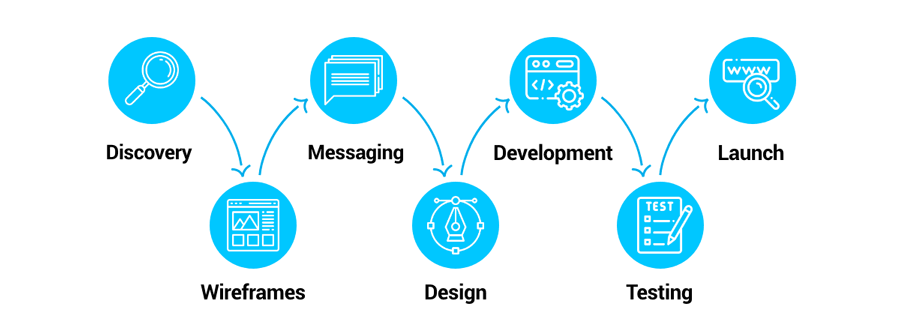
1. Requirement Analysis
The process begins with understanding business goals, target audience, competitors, and technical needs. This phase defines what the website should achieve and how it should function.
2. UI/UX Design
Designers create wireframes and visual mockups that define the site’s layout, color scheme, typography, and user flow. Feedback is gathered and refined before moving to development.
3. Frontend Development
The approved designs are converted into responsive, pixel-perfect code using modern frontend technologies. The focus here is on performance, accessibility, and cross-device compatibility.
4. Backend Integration
Dynamic features such as content management, forms, eCommerce functionality, and third-party integrations are implemented. This step ensures the site is easy to manage and update.
5. Testing & Optimization
Before launch, the theme undergoes rigorous testing across browsers and devices. Performance, security, SEO readiness, and usability are carefully checked and optimized.
6. Launch & Support
Once everything is approved, the theme is deployed live. Post-launch support ensures smooth operation and allows for future improvements.
When Does Custom Theme Development Make Sense?
Custom theme development is especially beneficial if:
- You want a strong, distinctive brand presence
- Performance and speed are critical
- Your website requires custom functionality
- You plan to scale or expand features over time
- You want full control over design and code
For startups, growing businesses, agencies, and enterprises, a custom theme often proves to be a smart long-term investment.
Cost Considerations
The cost of custom theme development varies depending on complexity, features, design depth, and integrations. While the upfront investment is higher compared to pre-built themes, the long-term benefits—better performance, scalability, and brand value—often outweigh the initial cost.
Think of a custom theme not as an expense, but as a foundation for your digital presence.
Final Thoughts
Custom theme development empowers businesses to move beyond limitations and create websites that truly align with their vision. From unique design and optimized performance to scalability and SEO advantages, a custom-built theme delivers long-term value and competitive edge.
If your website is a core part of your business strategy, investing in a custom theme is one of the best decisions you can make. It’s not just about how your site looks—it’s about how effectively it works for your brand and your users.
Ready to Build a Brand People Remember?
MeraSEO’s branding team crafts visual identities and strategic messaging that position Mumbai businesses as clear market leaders in their industry.
Explore Branding Services →